
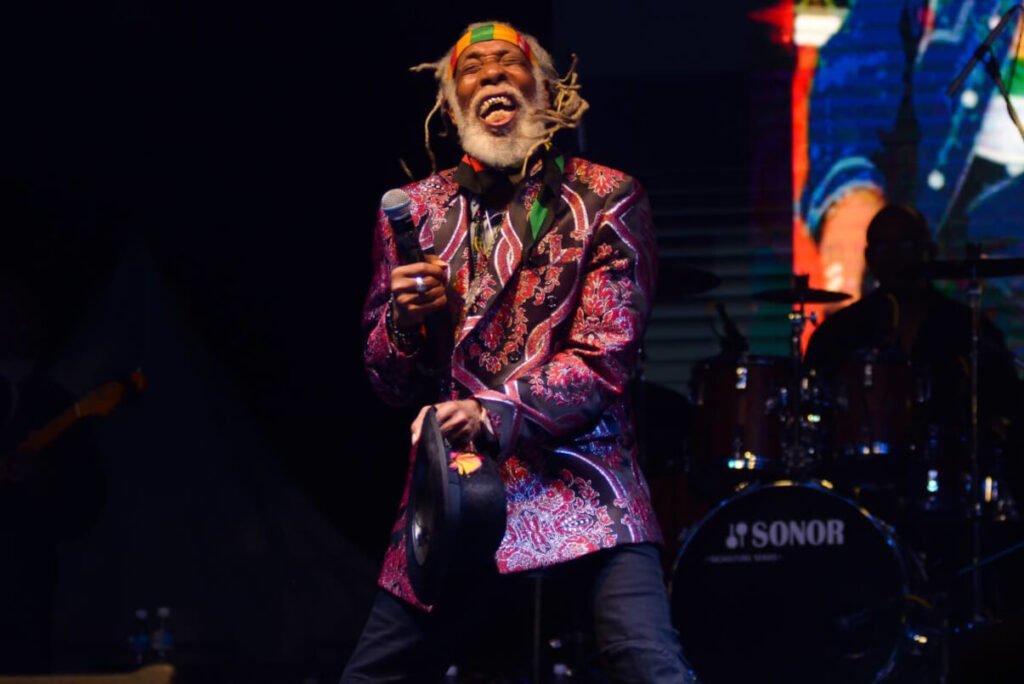
When people talk about 1970s reggae, names like Bob Marley and Dennis Brown come up fast. But if you zoom in on the sound systems, the street corners, and the ghetto dances, one voice echoes loud and clear: Big Youth.
With his flowing dreadlocks, jeweled teeth, and spiritual, streetwise lyrics, Big Youth turned the deejay (toaster) into a prophet on the mic. For anyone who loves 70s roots & DJ reggae on vinyl, he’s absolutely essential.
From Kingston’s streets to the sound of the ghetto
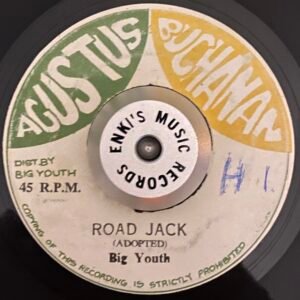
Big Youth was born Manley Augustus Buchanan on 19 April 1949 in Kingston, Jamaica.
His mother was a strict Christian preacher. He left school around 13 and started learning how to become a mechanic.
He picked up the name Big Youth while working as a mechanic on the building site of what at the time was the Sheraton hotel in Kingston. Why? Because he was younger and taller than the other workers.
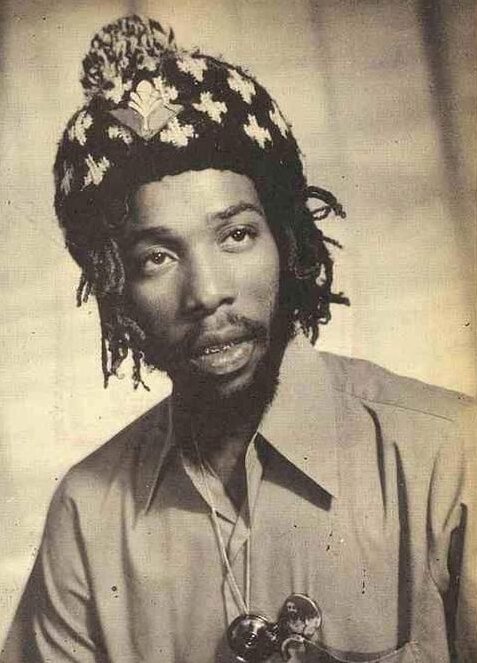
In the Sheraton’s elevator shaft, he discovered the echo that would later shape his stage presence. As he told United Reggae, he’d shout into the shaft – “Yo yo yeah?” – and listen to his own voice bounce back like a built-in delay and reverb.
By night, he was drawn to the sound system culture: massive speakers, exclusive dub plates, and deejays toasting over instrumental B-sides. Around the late 1960s he became a regular on Lord Tippertone’s sound, one of Kingston’s key roots sound systems of the era, and that’s where the legend really began.
Rasta lyrics on the mic: changing what a deejay could say
In 60s and early 70s Jamaica, most popular songs were about romance – “yeah yeah baby” vibes. Big Youth felt that wasn’t enough.
On the mic he started talking about:
- Rastafari consciousness
- Social injustice and ghetto life
- Love as humanity, not just romance
- Education, youth upliftment, spiritual awareness
Where other deejays kept it light, Big Youth was preaching. As he puts it, he wanted to tell people to “make love not war because war is ugly and love is lovely” – using the sound system as a kind of street church.
He’s also clear about how he sees Rastafari. In the United Reggae interview he says:
“Rasta is not a religion. It’s natural. And I’m a natural person.”
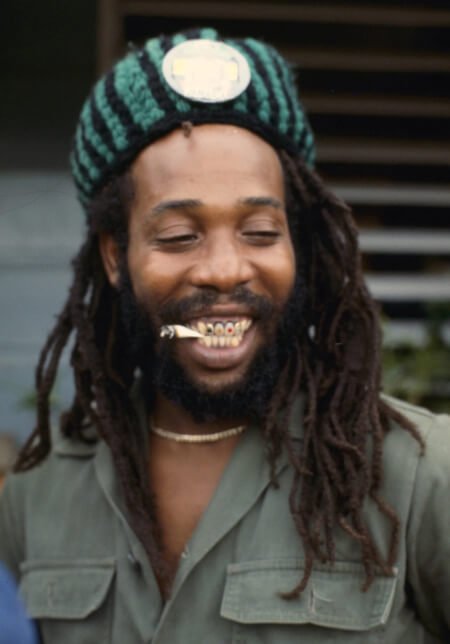
That “natural” approach – no comb, no compromise, dreadlocks and ital living – fed straight into his lyrics. He wasn’t just entertaining; he was educating.
Early recordings and the breakthrough of “S. 90 Skank”
Like many great artists, Big Youth’s first recordings didn’t blow up immediately. He cut several singles in the early 70s that didn’t really connect with the public.
Things started changing when he linked up with young producer Gussie Clark:
- “The Killer” – his first big hit, tough DJ style over a gritty roots rhythm
- “Tippertone Rocking” – celebrating the sound system that made him a local star
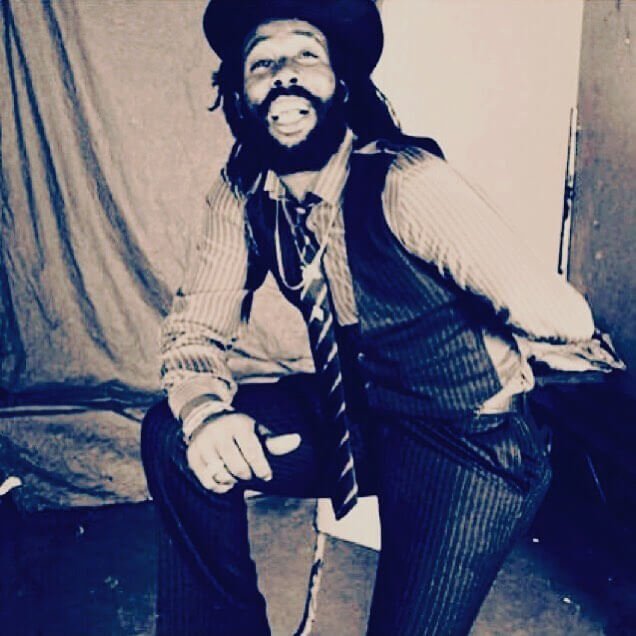
But the real explosion came with the motorbike anthem “Ace 90 Skank” (also known as S90 Skank) composed and produced by Keith Hudson and released in 1972. According to dancehallmag, S90 Skank was Big Youth’s a major hit in Jamaica and was also featured in a television commercial for the Honda motorcycle that inspired it.
Screaming Target and the golden run of the 1970s
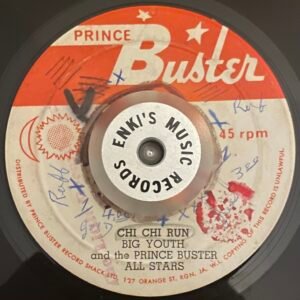
In 1972, Big Youth participated in Chi Chi Run, Prince Buster’s compilation album featuring other artists like Alton Ellis and John Holt. That same year he also released his most essential and enduring full album, Screaming Target. It’s built on classic rocksteady & early reggae rhythms that Big Youth rides with a mix of chanting, half-singing, and conversational toasting.
From there, the 70s were his dominant era:
- Dreadlocks Dread (1975) – Rasta culture front and center, heavy roots grooves
- Hit the Road Jack (1976) – mixing Jamaican roots with touches of soul and pop
- Isaiah First Prophet of Old (1978) – mystical, biblical themes, deeper Rasta reasoning
On stage, he was just as powerful:
- One of the first to show dreadlocks proudly onstage and on album covers
- Famous for shaking out his locks – the crowd would go mad
- Red, gold, and green gems set into his front teeth, a visual statement of Rasta royalty
Punk rockers, UK tours, and global influence
In 1977, Big Youth toured England, bringing his dreadlocked, prophetic style to a new audience. The London shows, especially at the Rainbow, were huge.
British punk bands, already fascinated by reggae’s rebel energy, were drawn to him. Johnny Rotten (John Lydon) of the Sex Pistols came to see him at the Rainbow and went backstage for photos – a small moment that shows how roots reggae and punk crossed paths.
Big Youth LPs and 12″s from this era are a nice bridge between punk and reggae culture on vinyl shelves.
Conscious lyrics and “urban poetry” on wax
Big Youth wasn’t just chanting slogans – his lyrics often paint full pictures of Jamaican life.
The 3-CD compilation Natty Universal Dread (released in 2000) gathers many of his key 70s tunes. Even when he’s talking about hardship, there’s always compassion and a sense of uplift.
This is why he’s often described as one of the first reggae artists to openly profess Rastafarian beliefs on record as a central theme, not just a visual style.
80s experiments, elder status, and Beyond the Blue
The digital shift of the 1980s – drum machines, new synth textures, early dancehall – didn’t always suit the 70s roots veterans, and Big Youth’s chart dominance faded. But he never disappeared.
He kept exploring:
- A Luta Continua (1985) – with jazz influences
- “Chanting” (1991) – over a digital dancehall riddim
As time went on, his 70s work was reissued and rediscovered, marking him as an elder statesman of reggae and DJ culture.
In the 2000s and 2010s, he recorded more selectively, performing when he wanted, on his own terms. A big late-career highlight is Beyond the Blue (2021), a collaboration with French dub producer Brain Damage and producer Samuel Clayton.
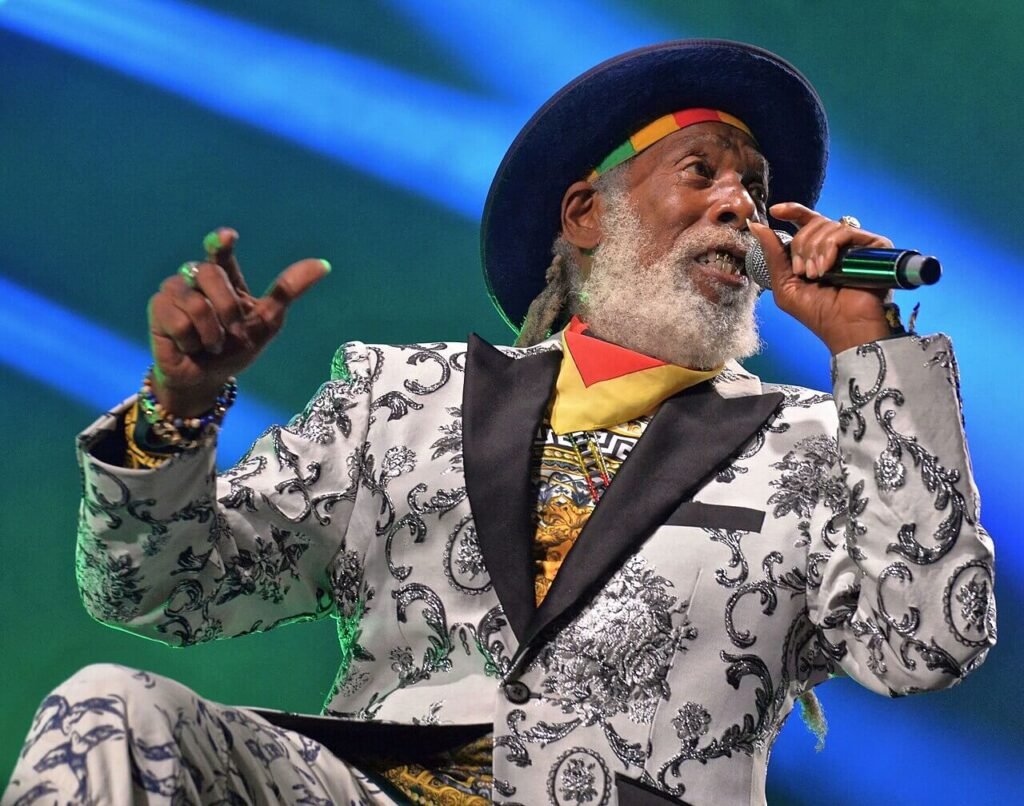
Even in his seventies, he sounds like a man with “something to prove,” as the United Reggae interview suggests – still passionate, still sharp, still defending his place in reggae history.
Big Youth and Rastafari: from Church yard to “Back O’ Wall”
One of the most fascinating aspects of Big Youth’s story is the journey from his mother’s strict church world to the Rasta communities of Kingston.
Also known as Jah Youth, he remembers seeing early Rasta elders in areas like Back O’ Wall, poor squatter community where many Rastas settled in Kingston. As a young man, he admired Leonard Howell and Mortimer Planno, key figures in Rastafari.
His mother initially rejected his Rasta path – it caused serious family tension. But over time she saw the strength in his character and the path he chose. He describes her as a “spiritual healer”, able to look at people and tell them their fortune, something he feels he inherited as a kind of spiritual “telepathic” sense.
You can hear that spiritual edge in the way he talks on the mic: part preacher, part prophet, part street reporter.
FAQ: Big Youth for reggae lovers & collectors
Big Youth (Manley Augustus Buchanan), also known as Jah Youth, is a pioneering 1970s Jamaican deejay (toaster) known for his Rasta lyrics, conscious social commentary, and unique chant-sing style over roots reggae rhythms.
He helped turn the deejay from a party hypeman into a serious voice of spirituality and politics. His style influenced later reggae DJs and, indirectly, the development of rap and hip-hop through Jamaican “toasting”.
As of 2025, yes. Though he records and performs less frequently than in the 70s, he’s still respected as one of reggae’s great elders. Albums like Beyond the Blue (2021) show he’s still powerful on the mic.
Sources:
Big Youth Interview by UnitedReggae
Big Youth Biography by Fred Thomas on all music.com
Dancehallmag
Cover image from jamaica-gleaner.com