
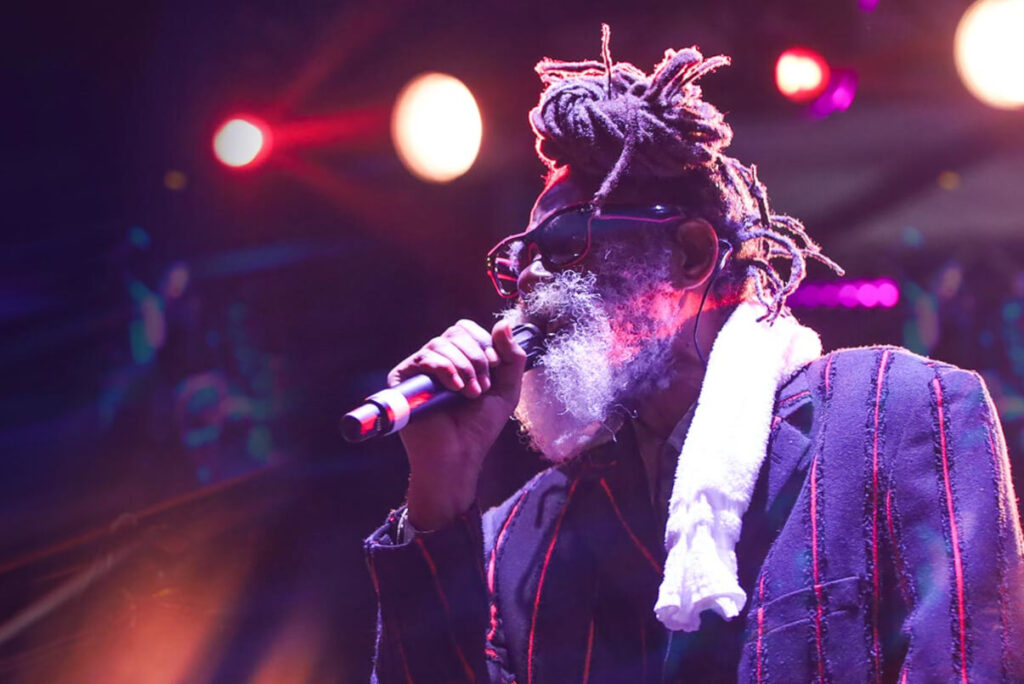
Few artists embody the soul of roots reggae quite like Don Carlos, a singer whose smooth, comforting vocals have made him a cornerstone of the genre since the early 1970s.
Born Euvin Spencer, the man who would become a pillar of the genre grew up in the Waterhouse district in West Kingston. This wasn’t just any neighborhood; it was a legendary “musical spawning ground” that gave the world icons like King Tubby, Junior Reid, and King Jammy.
The Birth of a Legend: From Tailor’s Son to Black Uhuru
Don’t let the “Don” title fool you—Don Carlos’s roots are as humble as they come. In early interviews, he fondly remembers his father, a tailor, singing while sewing pants late into the night. Don would wake up and join in, a ritual that sparked a lifelong passion for melody.
Before he was a superstar, he was a young man hanging around studios, following his idols like Delroy Wilson, Ken Boothe, and the Clarendonians. His first professional step into the limelight happened in 1972, when he teamed up with Garth Dennis and Derrick “Duckie” Simpson to form the original lineup of Black Uhuru.
The Trio that Changed Everything
As the lead vocalist of Black Uhuru, Don’s sweet, distinctive style defined their early sound. Their first release was a cover version of The Impressions’ “Romancing to the Folk Song”, which was followed by “Time is on Our Side”. They split up shortly after.
Don often notes that the group split prematurely due to youth and a lack of rehearsals. While Garth Dennis moved toward the Wailing Souls, Don Carlos set his sights on a solo path that would take his music across oceans.
The Solo Years and the African Connection
In 1980, he recorded one song as Don McCarlos:
“Just one song came out with the name Don McCarlos which was Late Night Blues. That was a name I usually go by too but most people know me as Don Carlos.” [Interview with Angus Taylor]
In May 1981, Don released the album Suffering on the Negus Roots label. It was a massive hit, particularly in Africa. Ironically, while the people loved the music, Don fell victim to the “bootlegging” common in the industry at the time, seeing very little of the royalties he earned.
The Goldie Era and Dancehall Success
During the early 80s, Don worked closely with his co-writer and backup vocalist, Gold, aka Goldie Locks or Goldie (real name Alric Lansfield Malcolm). Together, Don Carlos and Goldie were a powerhouse on the live circuit.
Between 1982 and 1985, Don Carlos churned out hits including Harvest Time, Day to Day Living, Them Never Know A Natty Dread Have Credentials, Spread Out, Never Run Away, Just a Passing Glance. Most of these featured Gold on vocals.
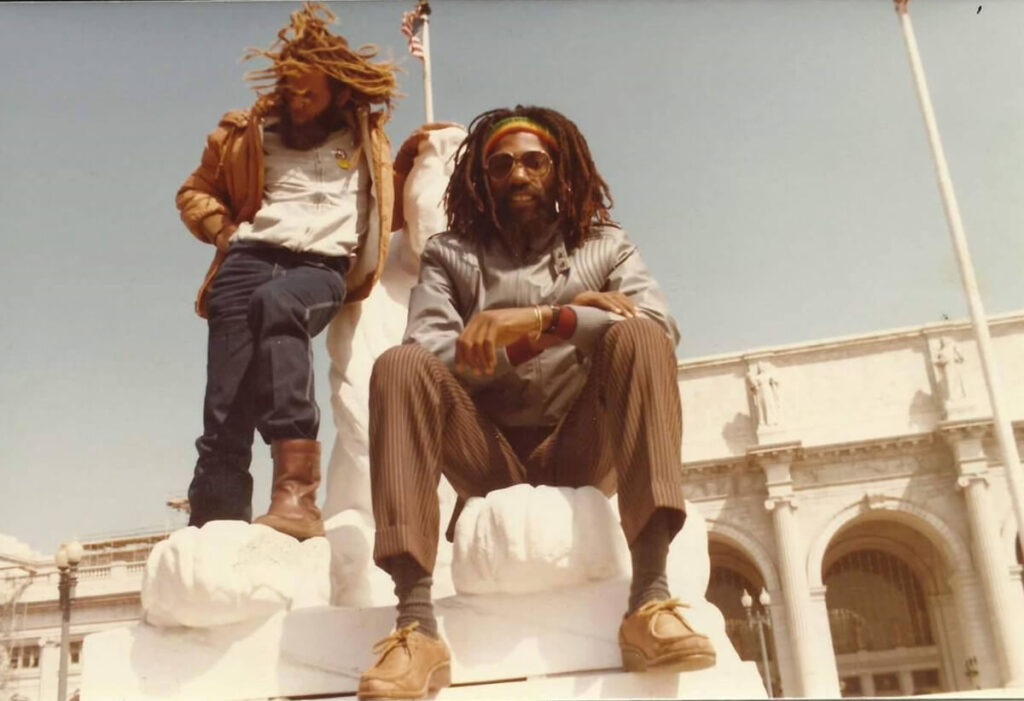
Don Carlos & Junior Reid
Don Carlos has spoken openly about his early role in the development of fellow Waterhouse singer Junior Reid, who would later become lead vocalist of Black Uhuru.
In interviews, Don recalls knowing Reid from childhood and bringing him to England around 1983–84, introducing him to dancehall audiences and sound systems such as Stur Gav and Studiomix. He has also stated that he produced one of Reid’s early recordings, “Sister Dawn,” released through the Negus Roots label.
Don Carlos has further claimed production involvement in Junior Reid’s early album Mini Bus Driver (with Voice of Progress).
Junior Reid’s and Don Carlos’ musical connection is also documented in the combination album Firehouse Clash, released in 1986.
Full Circle: The Black Uhuru Reunion
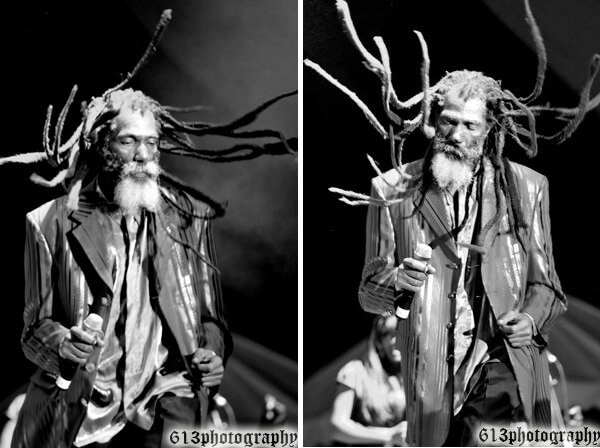
In 1990, the Black Uhuru original trio—Don, Garth, and Duckie—reunited. This “second coming” resulted in four albums: Now (1990), Iron Storm (1991), Mystical Truths (1992) and Strong (1994). After six years with the group, Don returned to his solo career for good.
Don Carlos Today: A Mentor and Global Icon
Today, Don Carlos isn’t just a performer; he’s a bridge between the old school and the new generation. He has become a mentor to the California reggae scene, frequently collaborating with bands like Slightly Stoopid, Rebelution, and Groundation.
Whether he’s performing with his band Dub Vision or appearing as a special guest at major festivals, his popularity only seems to grow.

FAQ About Don Carlos
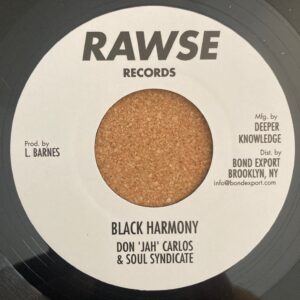
Don Carlos was born Euvin Spencer. “McCarlos” is a stage name variation he used early in his career for his hit “Late Night Blues.” Jah Carlos is another alias.
Yes. He founded the group in 1972 alongside Garth Dennis and Derrick “Duckie” Simpson.
Some of his most beloved tracks include “Johnny Big Mouth,” “Hog & Goat,” “Dice Cup,” “Harvest Time,” and “Suffering”.
As of February 2026, yes! Don Carlos remains very active in the reggae community. He continues to tour internationally and frequently performing with West Coast reggae-rock bands like Slightly Stoopid.
You can hear his iconic voice on the 90s reunion albums Now, Iron Storm, Mystical Truths, and Strong.
Cover photo from doncarlosinc.com
Sources
Interview with Angus Taylor at unitedreggae.com
Official website t doncarlosinc.com