
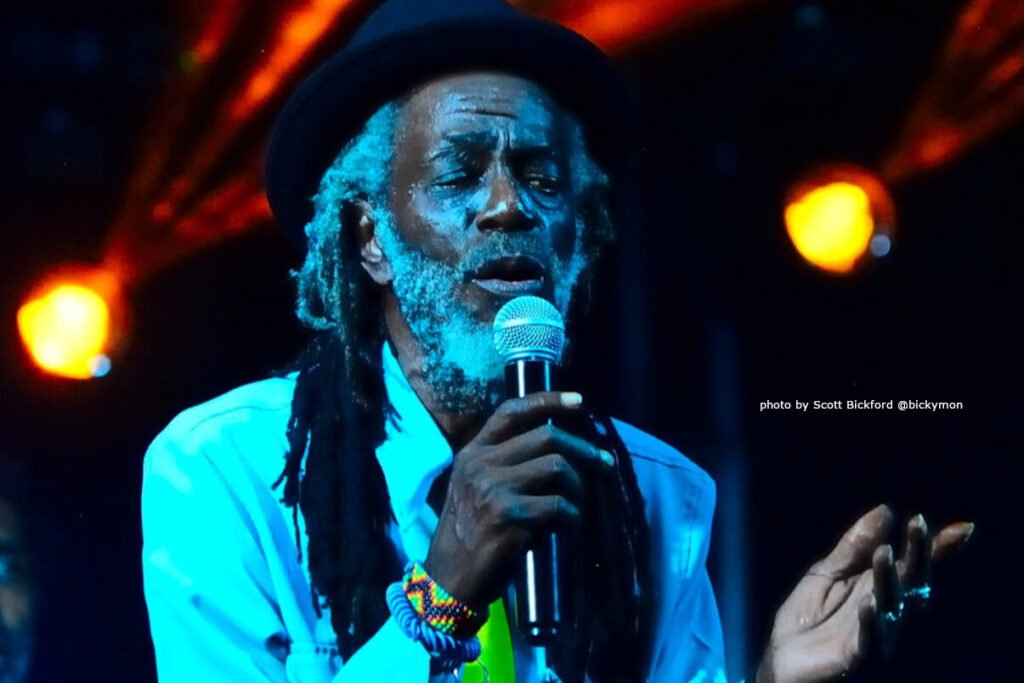
Naggo Morris (born Dolphin Morris) was a prominent Jamaican roots reggae singer and a member of The Heptones. Best known for the songs “Su Su Pon Rasta” and “Flour Power”, he was one of Jamaica’s most soulful and underrated singers.
Early Years: Dancing and Finding His Voice
Born Dolphin George Morris on September 30, 1947 in Carron Hall, St. Mary, Naggo’s journey in entertainment began long before he held a microphone.
Raised in Kingston on Chisholm Avenue, he inherited his artistic spark from his father, Vernal Morris, a soulful saxophonist.
Naggo Morris first stepped into the spotlight as a dancer with The Coasters, performing alongside icons like Louise “Miss Lou” Bennett on legendary Jamaican programs such as Ring Ding and Sounds of the Seventies.
His musical ambitions led him to join harmony groups like The Morwells, The Royals, and The Soul Boys.

From Studio One to The Heptones
As a member of The Soul Boys, Naggo Morris recorded at Studio One for legendary producer Clement Dodd.
In 1977, his career took a major turn when he replaced Leroy Sibbles in The Heptones.
It was a tough role to step into, but Naggo brought a powerful, emotional voice that gave the group a slightly grittier edge.
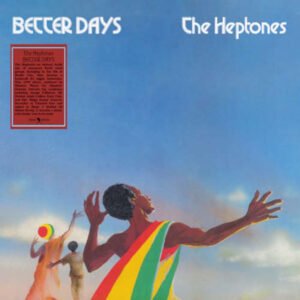
The first album with the new line-up was “Better Days”, produced by Winston ‘Niney the Observer’ Holness and featuring top musicians like George Fullwood, Sly Dunbar and Tony Chin.

A strong solo run
Outside the group, Naggo Morris quietly built an impressive solo catalog. His best-known recording is “Su Su Pon Rasta” (1975), produced by Joe Gibbs alongside Errol Thompson (the duo known as The Mighty Two). It’s a roots anthem: militant, spiritual, and deeply conscious. It was so influential that the “riddim” was reused for dozens of other tracks, most notably Prince Far I’s “Heavy Manners.”
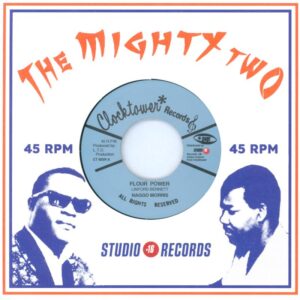
Another major breakout as a solo artist is “Flour Power”, produced by Bunny Lee in 1976, showing Naggo’s ability to balance cultural lyrics with accessible melodies. This hit was a “social commentary” track, inspired by a real-life tragedy in Jamaica where people were poisoned by flour contaminated with rat poison.
He also recorded several singles for Wackies, the Bronx-based label run by Lloyd “Bullwackie” Barnes.
Among his alternative names on labels, are Devon Morris, Laggo Morris, Naggu, Sir Nago, and Vernol “Naggo” Morris.
Later years and legacy
Naggo Morris toured Europe with The Heptones and remained connected to the group well into later life, performing sporadically through the 2010s. He also recorded albums with Earl Morgan and Barry Llewellyn, linking his solo work directly to the classic Heptones sound.
He passed away in May 2020 from cancer at Cornwall Regional Hospital in Montego Bay, but his voice still carries deep weight in roots reggae history, a vocalist whose catalog rewards deep listening.

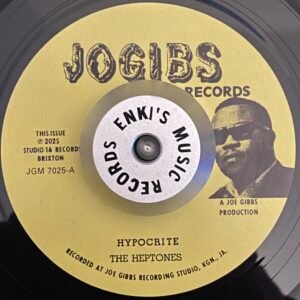
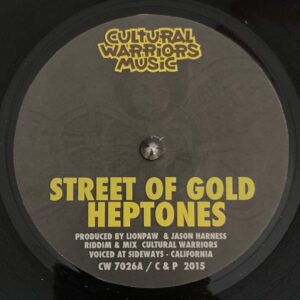
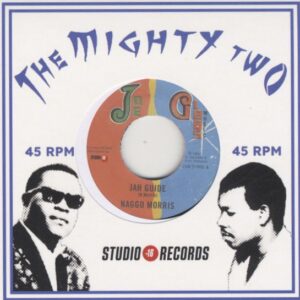
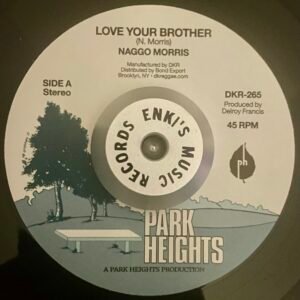
Reggae Records For Sale – Naggo Morris / The Heptones
Frequently Asked Questions (FAQ) about Naggo Morris
Naggo Morris (born Dolphin George Morris) was a prolific Jamaican roots reggae singer. He is best known as a solo artist for the hit “Su Su Pon Rasta” and for his tenure as the lead singer of The Heptones from the late 1970s.
Naggo Morris famously replaced Leroy Sibbles in The Heptones in 1977. He recorded several albums with the group, including the Winston “Niney” Holness-produced Better Days.
His most influential solo tracks include the 1975 roots anthem “Su Su Pon Rasta” and the social commentary track “Flour Power.”
Depending on the record label and producer, Naggo Morris appeared on credits as Devon Morris, Laggo Morris, Naggu, Sir Nago, and Vernol “Naggo” Morris.
Sources:
Naggo Morris biography by Vivia Morris at last.fm
Naggo Morris biography by Steve Leggett at allmusic.com
The Heptones discography at reggaediscography.blogspot.com
News at caribbeannationalweekly.com
Cover image by @bickymon Scott Bickford