
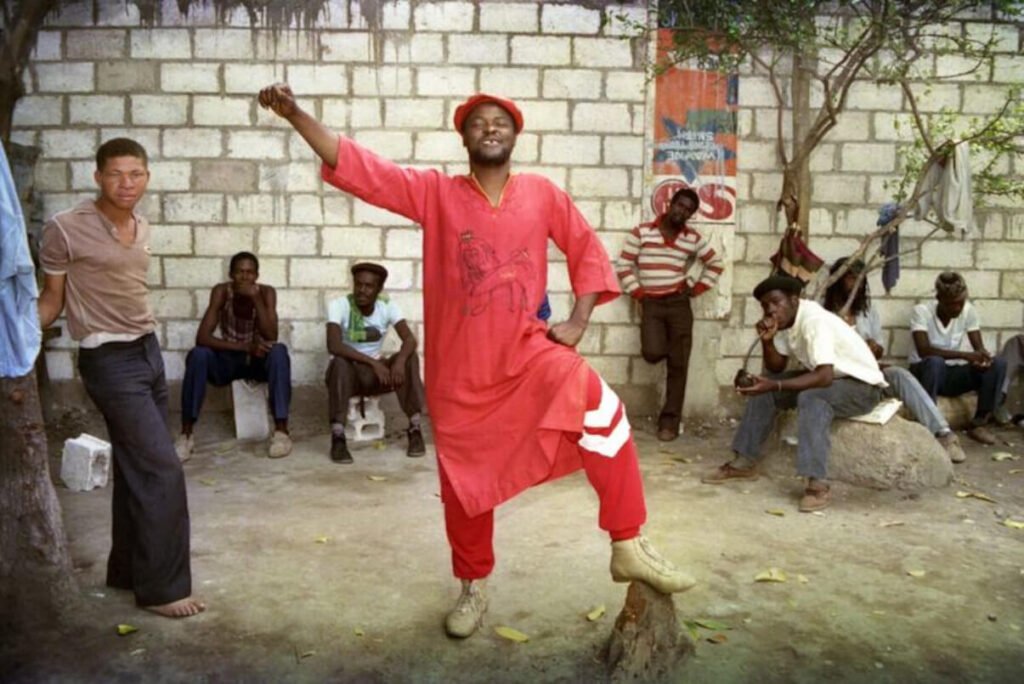
Sugar Minott was one of the key artists who shaped modern reggae and dancehall. He was a singer, songwriter, producer and sound system owner.
His real name was Lincoln Barrington Minott, and he was born in Kingston, Jamaica, on 25 May 1956. He grew up in areas like Maxfield Park, close to local dancehalls. Big sound systems played there at night.
Young Lincoln stood outside, listening to ska, rocksteady and early reggae. This street schooling became his real music education.
Early Life, Sound Systems and the African Brothers
As a youth, Sugar Minott started working with sound systems before he was even a teenager. He first worked as a selector (picking records and sometimes toasting) for the Sound of Silence Keystone / Keytone set. Later he built his own early sound, often called Gathering of Youth.
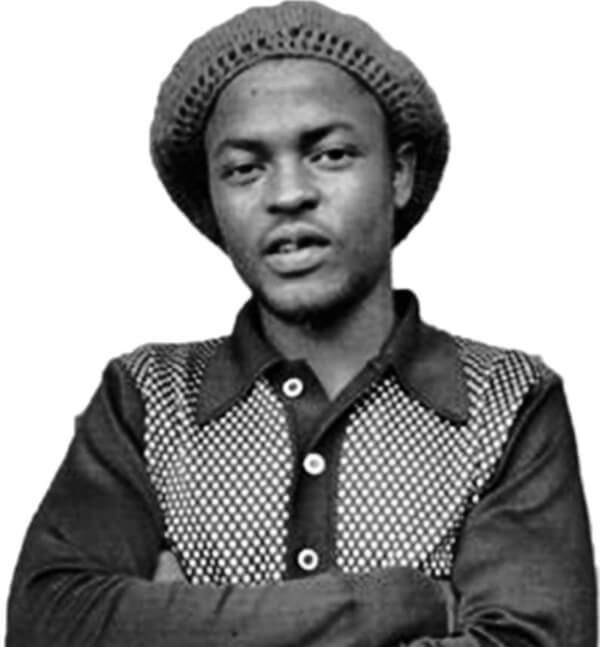
In 1969, he moved from the sound system corner to the microphone. He formed the vocal trio African Brothers with Tony Tuff and Derrick Howard. They sang cultural, Rasta-inspired songs that were strongly influenced by harmony groups like The Abyssinians.
With African Brothers he recorded for labels and producers such as Micron Music, Rupie Edwards, Winston “Merritone” Blake and Keith Weston.
They also started their own Ital label. Key tunes from this period include “Party Time / Party Night”, “Lead Us Father”, “Righteous Kingdom”, “Youths of Today” and “Mysterious Nature”.
In 1974, African Brothers recorded “No Cup No Broke” for Studio One. Soon after, the group split up, and Minott decided to go solo.
Studio One and the Birth of Modern Dancehall
After the split, Sugar Minott stayed at Studio One with legendary producer Clement “Coxsone” Dodd. There he worked as a singer, guitarist and percussionist, and also did general studio work.
At Studio One he began doing something new.
Instead of always using a live band, he took classic 1960s Studio One riddims and recorded new songs over them. Deejays had done this live on sound systems for years, but Minott brought this “re-lick” style into the recording studio. This approach became one of the foundations of dancehall reggae.
His early Studio One hits included “Vanity”, “Mr DC” (Oh Mr DC), “House Is Not a Home”, “Hang On Natty” and “Jah Jah Children”.
These tracks led to his classic debut album Live Loving, released in the late 1970s. Many writers and fans see this LP as one of the first true dancehall albums, marking a shift from roots-style reggae to a new, stripped-down sound that worked perfectly in Jamaican dances.
He followed it with Showcase, Bittersweet and the roots-heavy Ghetto-ology, which also has a famous dub companion mixed by King Tubby.
Black Roots, Youth Promotion and the “Ghetto Sound”
In 1979, Sugar Minott left Studio One and started his own label, Black Roots Records.
That same creative period produced the album Black Roots, recorded in Kingston and released on Black Roots/Island-Mango. The LP features tunes like “Hard Time Pressure” and “River Jordan”, and catches Minott between deep roots and the new dancehall feel.
Around the same time he launched:
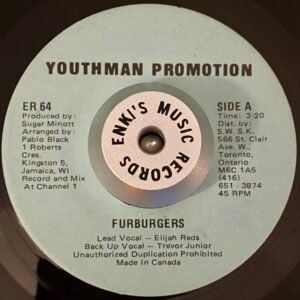
- the Youth Promotion (also called Youthman Promotion) label
- and the Youth Promotion sound system, based in the Maxfield Park area of Kingston
Youth Promotion became known as a “ghetto sound” that gave young artists a first chance on the mic.
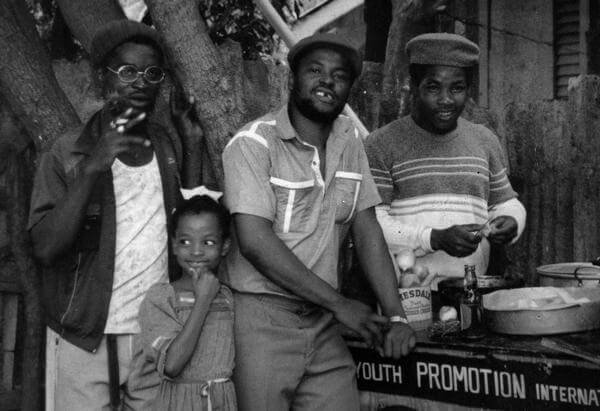
Through Black Roots and Youth Promotion, Sugar Minott helped launch or develop the careers of many singers and deejays, including Little John, Triston Palmer, Barry Brown, Junior Reid, Tenor Saw, Nitty Gritty, Yami Bolo and many others like Tony Tuff and Johnny Osbourne.
Minott used his own success to create a platform for the next generation, both on record and on the sound system. For this work, many people call him a “godfather for the youth” in reggae and dancehall.
UK Success, Lovers Rock and “Good Thing Going”
Sugar Minott’s single “Hard Time Pressure” became a big hit in the UK reggae scene around 1980. The song’s success and the growing lovers rock movement encouraged him to move to Britain for a period.
In the UK he recorded a stream of singles, including “Lovers Rock”, “In a Dis Ya Time”, “Africa”, and a duet cover of “Make It With You” with Carroll Thompson.
His biggest international hit was “Good Thing Going (We’ve Got a Good Thing Going)”, a cover of a Michael Jackson song. Released in 1981, it reached No. 4 in the UK Singles Chart and led to an album of the same name on RCA / Heartbeat.
With albums like Roots Lovers and Good Thing Going, Minott became an important bridge between roots reggae, lovers rock and dancehall, especially for UK audiences.
Dancehall Innovator and 1980s Output
Back in Jamaica, Sugar Minott stayed at the centre of the new dancehall movement. He released albums such as Herbman Hustling, Slice of the Cake, Wicked A Go Feel It, Dancehall Showcase, and Inna Reggae Dance Hall.
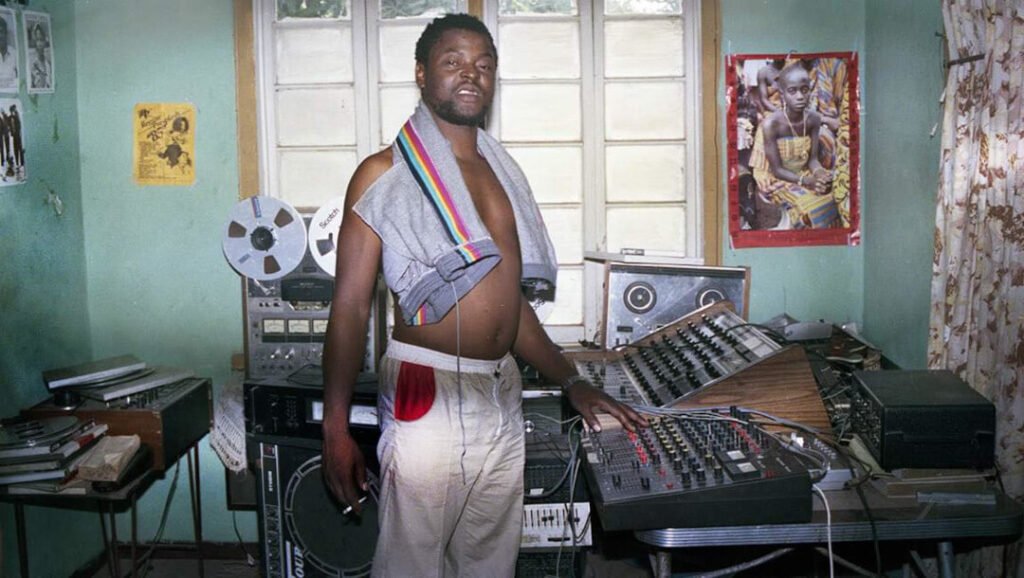
He also worked with top producers and musicians, including Sly & Robbie, Mikey Dread, George Phang, King Jammy and Lloyd “Bullwackie” Barnes.
One important single with Sly & Robbie, “Rub a Dub Sound Style” (mid-1980s), is often seen as an early prototype of the ragga style, mixing digital elements with a deep rub-a-dub feel.
At the same time, the Youth Promotion sound system kept running dances in Kingston. Young DJs like Ranking Joe, Captain Sinbad and Ranking Dread held the mic, while Sugar Minott continued to voice new songs and push the sound of modern dancehall.
1990s and 2000s – Still Recording, Still on Stage
By the 1990s, Minott was already a veteran, but he kept recording and touring. Albums from this period include Smile and A Touch of Class for Jammy’s, Happy Together, Run Things, Breaking Free, and International, Musical Murder and Easy Squeeze.
In the 2000s he stayed active mainly as a live artist and occasional recording artist. One of his later albums is New Day, released around 2008–2009, featuring guests like Toots Hibbert, Sly Dunbar, Dwight Pickney and Andrew Tosh.
Illness, Passing and Honours
In 2009, Sugar Minott was treated for heart problems and had to cancel some shows because of chest pains. On 10 July 2010, he died after being admitted to hospital in Saint Andrew Parish, Jamaica, at the age of 54.
In later years, tributes and memorial concerts have celebrated his work. In 2019, the Jamaican government honoured him with a Reggae Gold award for his contributions as an artist and producer.
Why Sugar Minott Matters
Sugar Minott’s influence reaches far beyond his own hits. He is important because:
- He helped invent the studio dancehall style, voicing new songs on classic riddims.
- He bridged roots reggae, lovers rock and digital dancehall in a very natural way.
- Through Black Roots and Youth Promotion, he discovered and guided many future stars.
- His sound system gave young people from Kingston’s ghettos a real chance in music.
- He recorded dozens of albums and hundreds of singles, from deep roots to sweet lovers to hard dancehall.
- For many fans and critics, this mix of creativity, community work and long-term output makes him truly deserving of the title “Godfather of Dancehall.”
Quick FAQ About Sugar Minott
Sugar Minott (Lincoln Barrington Minott) was a Jamaican singer, producer and sound system operator, born in Kingston in 1956. He is seen as a pioneer of studio dancehall and a key figure in reggae history.
Because he was one of the first to record new vocals over classic riddims in the studio, helping to define the dancehall style that took over Jamaican music in the late 1970s and 1980s.
His biggest international hit is “Good Thing Going”, a Michael Jackson cover that reached No. 4 in the UK charts in 1981.
He founded the Black Roots and Youth Promotion labels and ran the Youth Promotion sound system, which helped many younger artists start their careers.
Sources:
Biography by Jo-Ann Greene on allmusic.com
Biography on reggaeville.com
Obituary on theguardian.com
Cover image by Beth Lesser