
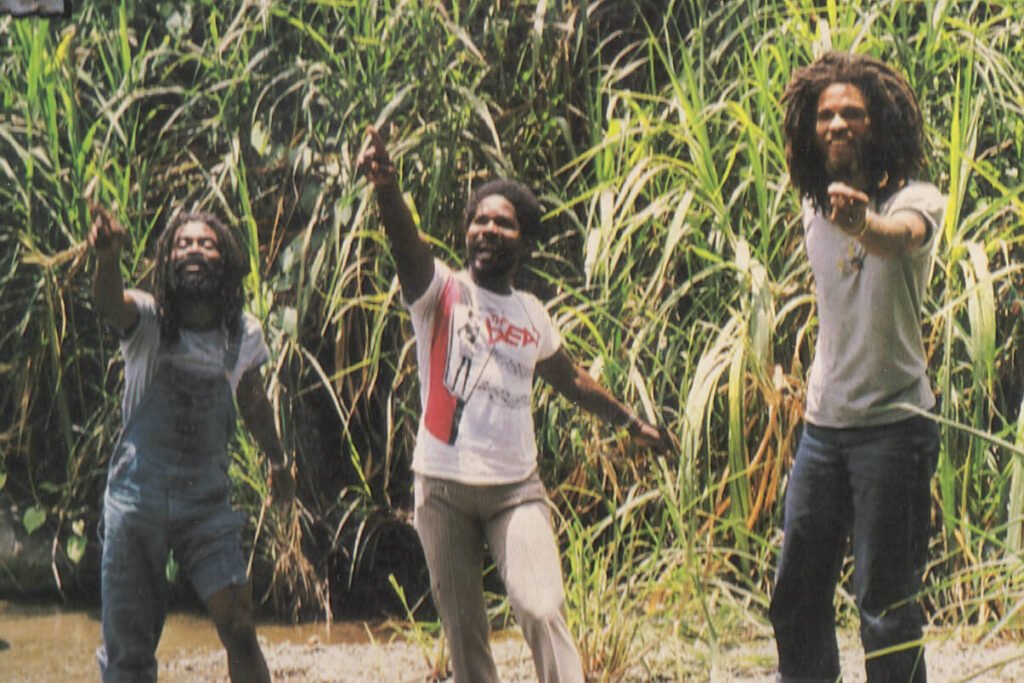
The Congos embody the mystical, “churchical” essence of roots reggae. This group chose a path paved with Rastafari spirituality, complex vocal harmonies, and a sound that feels as though it was pulled directly from ancient scripture.
For collectors of reggae vinyl, the name “The Congos” is synonymous with a specific era of sonic experimentation. Led by the unmistakable falsetto of Cedric Myton and the grounding presence of Congo Ashanti Roy, the group ended up creating some of the most moving and deeply spiritual music the Caribbean has ever known.
Today, we’re diving deep into the biography of The Congos, the group that defined the “churchical” sound of Jamaica.
Who are The Congos?
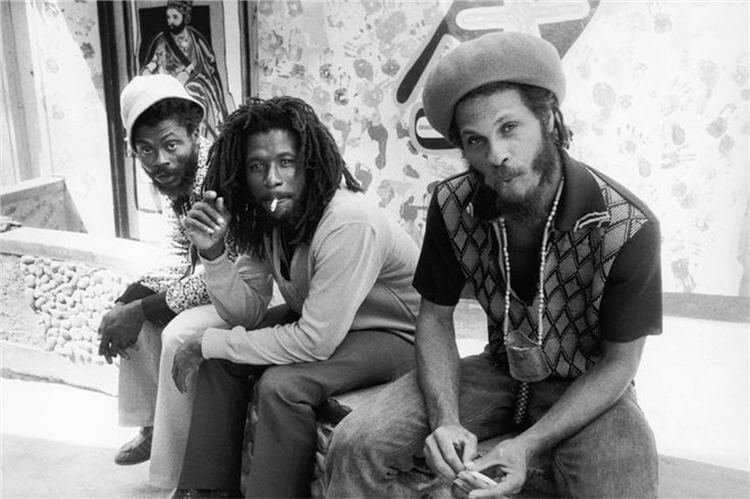
The Congos were initially formed in the mid-1970s by the duo of Cedric Myton and Roydel Johnson (better known as Congo Ashanti Roy), and solidified as a trio in 1977 with Watty Burnett.
Cedric Myton: The Falsetto Pioneer
Born in 1947 in Old Harbour, St. Catherine, Cedric Myton grew up in a household that raised bees—a sweet beginning for a man with a honey-toned voice. His musical education began in the church, but he quickly moved into the professional scene by collaborating with groups like The Bell Stars, The Tartans and The Royal Rasses.
Congo Ashanti Roy: The Tenor Strength
Roydel Anthony Johnson brought a grounding presence to the group. Born in 1943 in Kendal and growing up in Hanover Parish, he was steeped in spirituals and honed his craft with Ras Michael and the Sons of Negus. Allegedly, Johnson attended the same school as Lee “Scratch” Perry, a connection that would eventually change the course of reggae history.
Watty Burnett: The Grounded Voice
Also known as King Burnett, Watty Burnett completed the Congos’ sacred vocal triangle. His deep, resonant baritone anchored the group’s soaring harmonies. He was born Derrick Burnett in Port Antonio, Jamaica, in 1948.
The Black Ark Magic
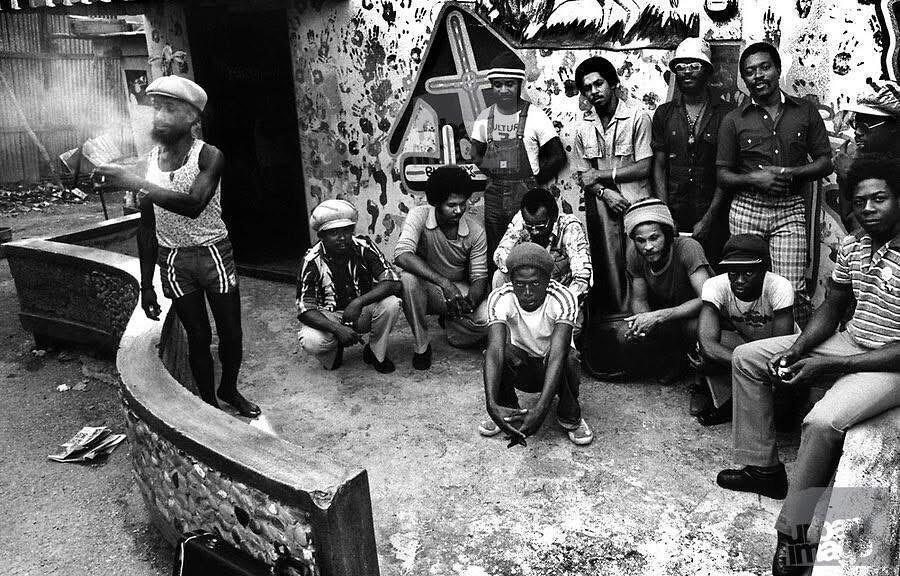
In the mid-70s, a chance meeting at a Nyahbinghi gathering brought Myton and Johnson together. They headed to Perry’s Black Ark Studios, a place where the air was thick with ganja smoke and creative genius.
Why the Sound is Unique
The Congos focused on a “churchical” vibe. Their sound was built on a unique vocal tripod:
- Cedric Myton: A breathtaking falsetto reminiscent of the Stylistics.
- Roy Johnson: A clear, powerful tenor.
- Watty Burnett: A rumbling, “cow horn” baritone.
Lee Perry created a dense, “hot” live sound. He layered the tracks with ambient noises and unconventional percussion, making the Heart of the Congos record feel like a living, breathing entity.
To achieve the “churchical” atmosphere of the Black Ark, Lee Perry used a combination of regular Black Ark players and guest musicians. On the Heart of the Congos album, these included:
- Ernest Ranglin: The jazz-guitar maestro whose intricate licks provided the melodic backbone.
- Sly Dunbar: One of the most influential drummers in music history, bringing a steady, driving roots rhythm.
- Boris Gardiner: The legendary bassist whose deep, walking lines gave the album its “earth-shaking” weight.
- Winston Wright: A master of the keys who helped craft the ethereal, spacey organ sounds.
Controversy and the “Lost” Classic
Despite its brilliance, Heart of the Congos faced a rocky road. Island Records, led by Chris Blackwell, did not give the album a full international release, for reasons that remain disputed. Some fans speculate that Island’s focus on Bob Marley hurt the album’s chances, but Blackwell is reported to have been unconvinced by the album’s commercial prospects.
As a result, the album saw only a limited release on Perry’s Black Ark label. For decades, it remained a sought-after treasure for reggae vinyl collectors, kept alive by word of mouth and high-quality reissues from labels like Blood and Fire.
The Legacy of the Congos Today
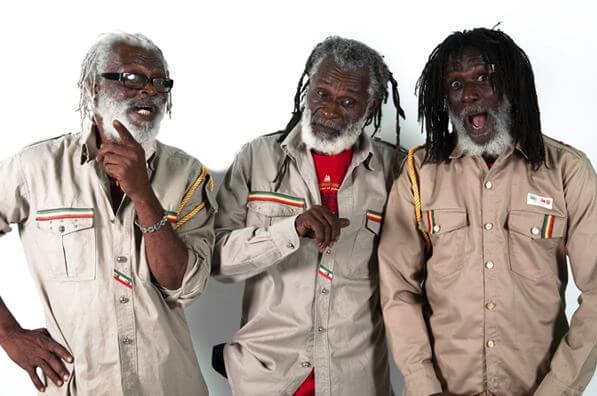
After their initial success, Myton and Johnson pursued solo paths—Johnson as Congo Ashanti Roy and Myton continuing the Congos name with various collaborators. While they both achieved individual success, the “magic” of that 1977 session remains their definitive contribution to the world.
The Congos’ original trio—Cedric Myton, Roy “Ashanti” Johnson, and Watty Burnett—reunited multiple times after their initial 1970s split. Key reunions include the mid-1990s (with Myton and Burnett plus Lindburgh Lewis), 2006 for European tours and the Swinging Bridge album, and 2009 to record Back in the Black Ark with Lee Perry, proving their enduring chemistry despite lineup changes over the decades.
Today, The Congos are recognized alongside legends like Burning Spear and The Mighty Diamonds. Their music continues to be a “Solid Foundation” for anyone seeking the true spirit of roots reggae.
The Congos FAQ
The classic lineup features Cedric Myton, Roydel “Ashanti” Johnson, and Watty Burnett.
Heart of the Congos (1977) is considered their masterpiece and one of the greatest reggae albums of all time.
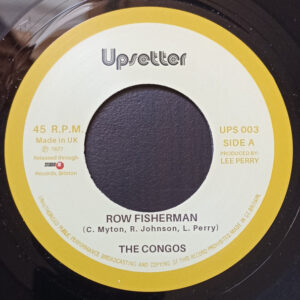
Their most famous work was produced by the “Upsetter” himself, Lee “Scratch” Perry, at his Black Ark Studios and under his Upsetter label.
These songs represent the pinnacle of 1970s Vocal Trio harmony:
“Row Fisherman”: Often cited by critics and collectors as one of the greatest roots reggae recordings. It features a swirling, hypnotic production and some of Cedric Myton’s most emotive falsetto work.
“Congoman”: A deep, tribal track that embodies the “Congo-Bongo” spiritual vibe of the group.
“Ark of the Covenant”: This track is a masterclass in Lee Perry’s “dense and hot” recording style.
“Solid Foundation”: The song that effectively carved out the Congos’ identity, built on a bedrock of Rastafari faith.
As of February 2026, yes. The group has reformed several times over the years, recording albums in the 2000s and performing at major international festivals like Rototom Sunsplash. They also appeared in the 2019 documentary Inna de Yard: The Soul of Jamaica.
Sources:
Interview by Peter I with Cedric Myton at soundsystemculture.org
Biography on allmusic