
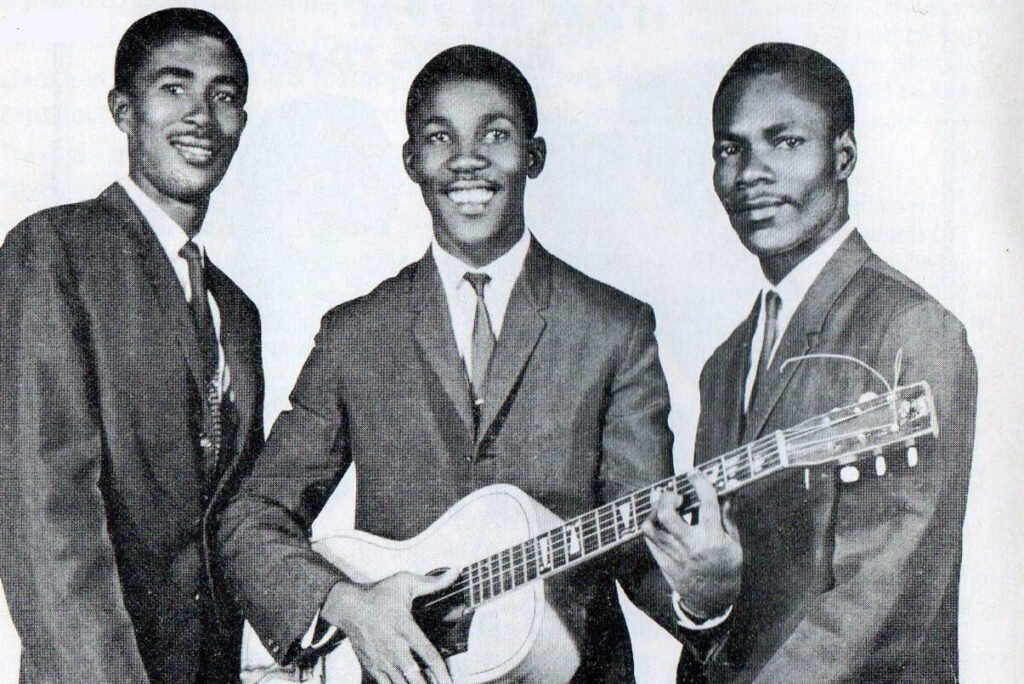
When you talk about the foundation of reggae, you can’t get very far without mentioning Frederick “Toots” Hibbert and his legendary group, The Maytals. But who was the man behind the voice that gave the genre its very name? Let’s dive into the incredible journey of Toots & The Maytals.
The Birth of a Legend: From Church Choir to Kingston Streets
Born on December 8, 1942, in May Pen, Jamaica, Frederick “Toots” Hibbert grew up as the youngest of a large family. His powerhouse vocals didn’t start in a studio, but in the church. Singing gospel as a boy gave him that soulful, gravelly delivery that would later lead critics to call him the “Otis Redding of Reggae.”
In 1961, a teenage Toots moved to the bustling musical hub of Kingston. It was here that he met Henry “Raleigh” Gordon and Nathaniel “Jerry” Matthias. Together, in 1962 they formed a vocal trio known as The Maytals.
The Studio One Era and the Rise of Ska
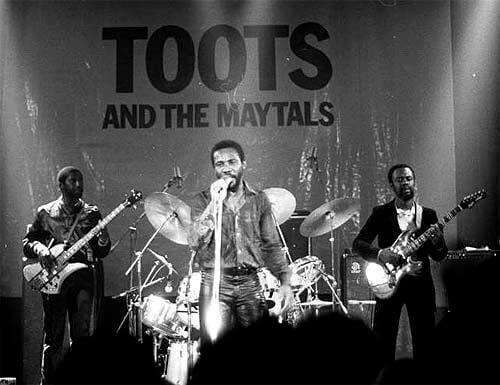
Their early years were defined by the upbeat, horn-driven energy of Ska. After releasing some singles in the early 1960s, The Maytals recorded their debut album Never Grow Old (1964) with the legendary producer Clement “Coxsone” Dodd at Studio One. Backed by the Skatalites, the group’s tight gospel harmonies were very infectious. Dodd would release some Maytals material under pseudonyms like The Flames or The Vikings, without the band’s permission.
In 1965, the trio entered the studio with Byron Lee and recorded The Sensational Maytals, a great album, and in 1966 the trio won the inaugural Festival Song Competition, with their classic “Bam Bam,” also overseen by Lee.
54-46 Was His Number: A Turning Point
Just as the group was hitting its stride, disaster struck. In 1966, Toots was arrested. He claimed he was innocent and had been framed:
“After we did the record “Bam Bam,” there were a lot of politics going on. Some people believe I wrote the song for the other party, which we didn’t. Artists don’t business in politics. Anyway, some people tried to frame me. I didn’t have any ganja, I didn’t even start smoking yet. They didn’t have no cause to do that, but they found some cause. People try to do things to hold you back in life.
So they put me in jail for about nine months or so, and that’s where I wrote the song. They gave me the privilege of using my guitar. I didn’t have to do other work, just play guitar.” [Interview by Alan Light]
He spent about 9 months in prison—a period that could have ended his career. Instead, it fueled one of the greatest songs in music history.
After his release, the band teamed up with producer Leslie Kong and in 1968 they released “54-46 (That’s My Number)”, and indeed that was Hibbert’s prison number. The track was a raw, energetic account of his time behind bars. Initially a rocksteady version, the song was released again in 1969 as “54-46 Was My Number”, a reggae version with the famous bassline. It wasn’t just a hit; it was a anthem that signaled the shift from Ska into the slower, groovier sounds of Rocksteady and early Reggae.
Did Toots & The Maytals Invent Reggae?
It’s the question every vinyl collector asks. While the beat of reggae was an evolution of the island’s sounds, many believe Toots Hibbert is the man who officially gave the genre its name.
In 1968, the group released the single “Do the Reggay.” Toots took the Jamaican slang word streggae (originally referring to someone dressed “raggedy”) and smoothed it out. With that one song, a global movement finally had a title. Before this, in the UK, the emerging style was often called “blue beat”.
There is, however, some scholarly debate around exactly how and when the term “reggae” solidified.
Global Superstardom
The 1970s saw Toots & The Maytals achieve international fame, fueled by:
- The Harder They Come (1972): Their tracks “Sweet and Dandy” and “Pressure Drop” were featured in this landmark film, introducing reggae to the Western world.
- Funky Kingston (1973): Often cited as one of the greatest albums of all time, it blended soul and funk with island rhythms.
- The Punk Connection: In the late 70s, the UK’s punk and ska-revival scenes embraced the Maytals. The Clash famously covered their song “Pressure Drop,” while The Specials took “Monkey Man” into the UK charts.

A Legacy of Grammy Gold
The group won the 2004 Grammy Award for Best Reggae Album for True Love, which featured collaborations with legends like Eric Clapton, Keith Richards, and No Doubt.
Unfortunately, Toots Hibbert passed away on September 11, 2020. However, his final gift to the world, the album Got To Be Tough, earned him a posthumous Grammy in 2021, proving that the message of “real reggae”—love, struggle, and positivity—never goes out of style.
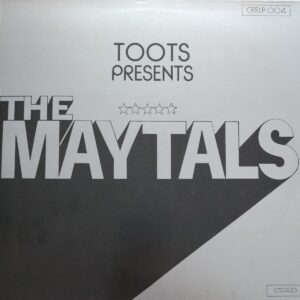
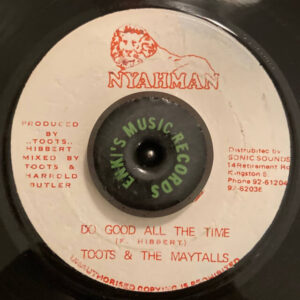
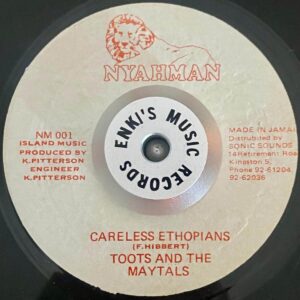
Reggae Records For Sale – The Maytals
Frequently Asked Questions (FAQ) about Toots and The Maytals
Formed in 1962 in Kingston, Jamaica, the group began as a ska vocal trio. After a brief hiatus while lead singer Toots Hibbert was imprisoned in the mid-60s, they returned to help pioneer the reggae sound. They remained active for over five decades, becoming one of the most successful and beloved reggae acts in history.
Yes! All three original members—Toots Hibbert, Henry “Raleigh” Gordon, and Nathaniel “Jerry” Matthias—were born in Jamaica. Toots himself hailed from May Pen, Clarendon.
While many musicians contributed to the development of the reggae beat, Toots and the Maytals are credited with naming the genre. Their 1968 song “Do the Reggay” was the first time the word appeared on a record, effectively branding the sound for the entire world. Toots and the Maytals gave the “vibe” a label, but the rhythm was already being played by musicians like Jackie Mittoo.
Some of their essential tracks include “Pressure Drop,” “54-46 Was My Number,” “Monkey Man,” “Funky Kingston,” and “Bam Bam” (which won the first-ever Jamaican Festival Song Competition in 1966).
He earned this nickname because of his soulful, powerful, and raspy vocal style, which drew heavily from his roots in gospel music and American R&B.
Sources:
The Maytals Biography by Jo-Ann Greene on allmusic.com
Britannica
Interview Alan Light on tootsandthemaytals.net